
Scope
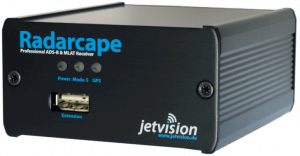
The Mode-S Beast is a Mode-S and Mode-A/C receiver and decoder.
It is the final version of what started as a
PIC based project
and some first steps with an FPGA.
This is a high performance Mode-S receiver and decoder.
With its internal receiver, it supports one antenna and so the basic unit as
shown on the left will give you an overview of the air traffic by just
connecting an antenna and a PC via USB.
The Mode-S Beast as equipped for 2 channels: one internal receiver plus connector for one external miniADSB.
Size is 100mm wide x 53mm deep. It perfectly fits into the 100mm wide euro card boxes.
(Picture of preliminary product version V1.0beta, still manually soldered)
Optinally up to 3 external miniADSB
receivers with separate antennas can be connected.
This for example allows you to connect an omnidirectional antenna to the internal
receiver and in parallel a high gain antenna like a yagi towards an area of special
interest that you would not see on the omni, for example the next local airport.
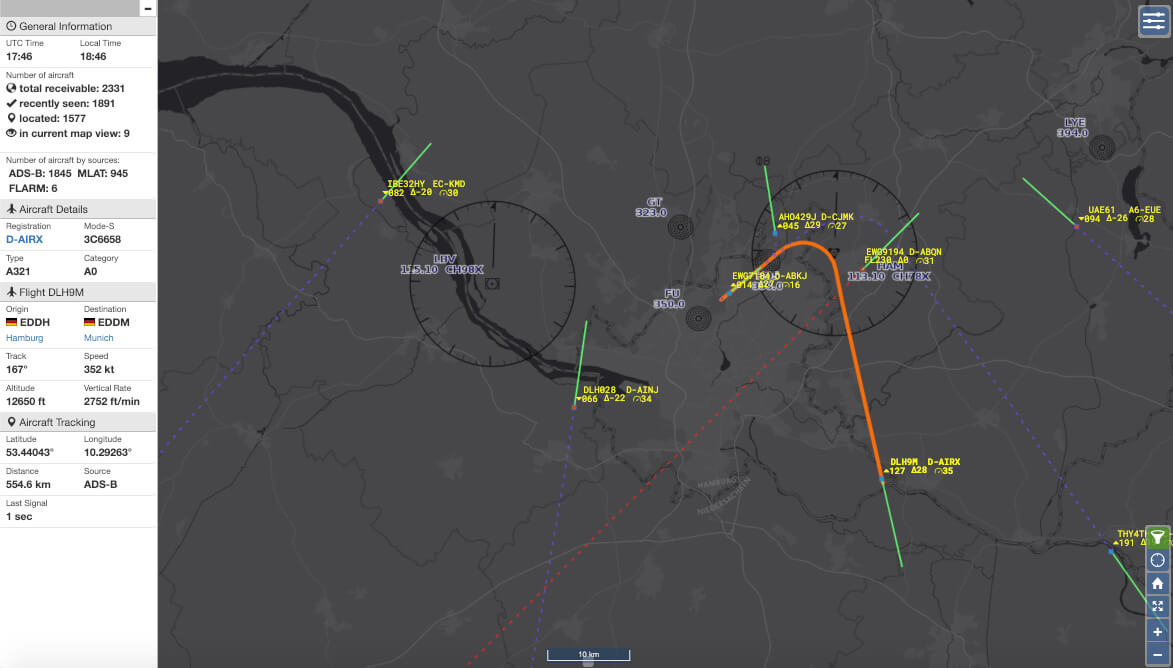
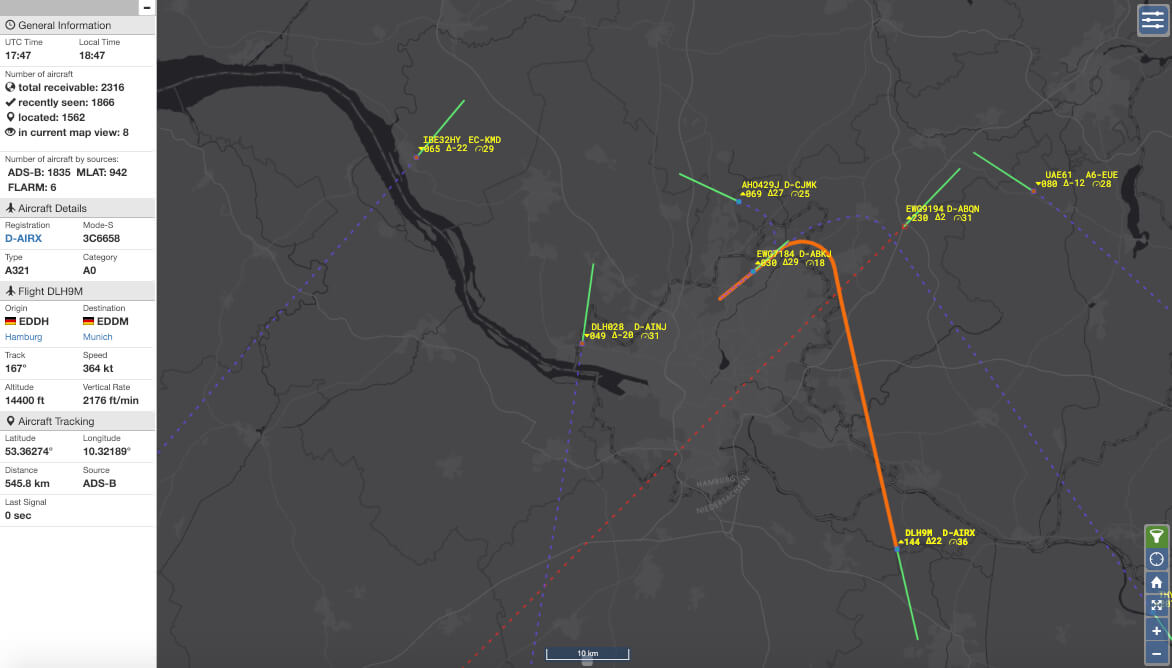
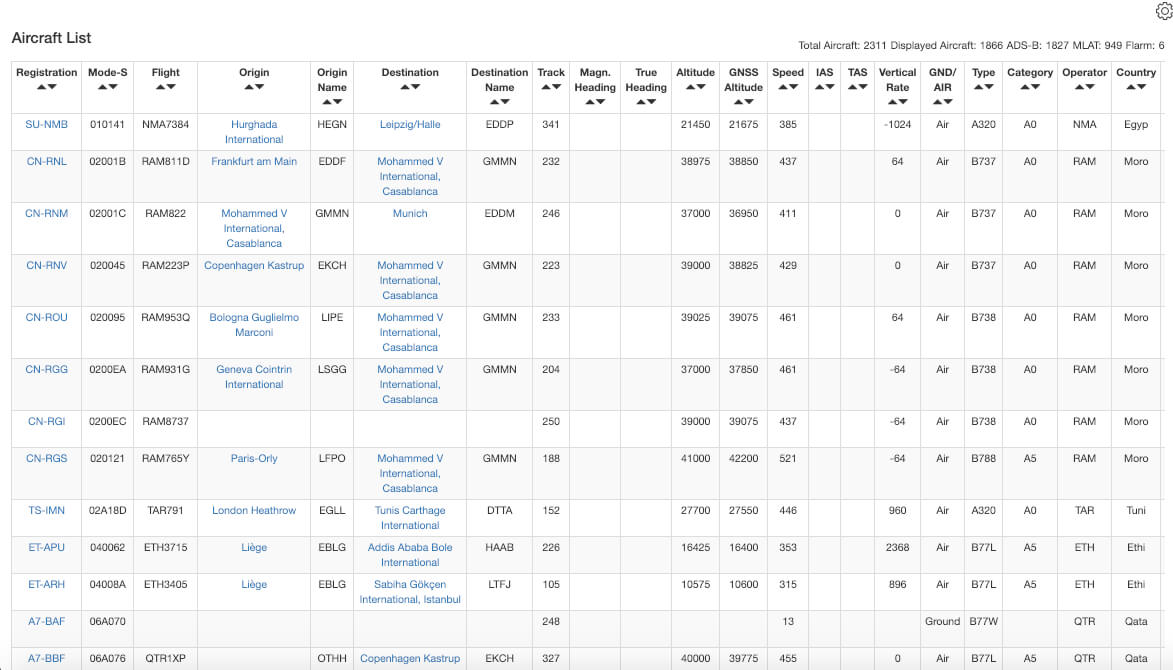
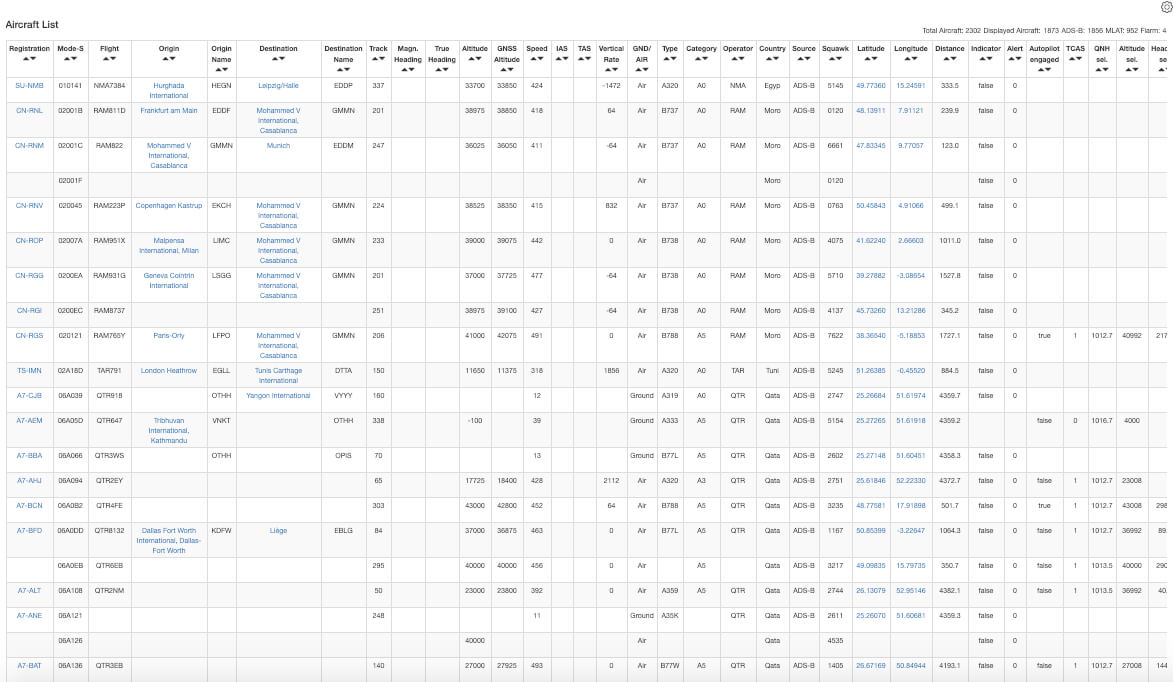
Such examples are shown here.
A second usage of this feature is splitting the 360° circle into 2, 3 or 4 segements.
FRUIT, that means overlapping signals due to the uncoordinated transmission of the
signal by the aircrafts, will then just come from those within the area that the
antenna sees. Such systems have been built a several times meanwhile,
for example by F5ANN, myself and others.
Necessary software on the PC: The Mode-S Beast supports two open and
non encrypted output formats, first the so called "AVR-Format",
an open format just like hexdumping of the frame contents.
Second there is a similar, but binary format, which also supports signal level information.
Currently COAA PlanePlotter supports both formats nicely,
a evaluation version of Jetvision's Globe-S also worked together with the Mode-S Beast.
More about this on the software page.
My understanding of the Mode-S Beast is similar to the one of a GPS mouse:
A versatile receiver, which is not limited to be used by only one software but giving
anyone the chance to take the software whichever he (or she) prefers.
My motivation of this project comes from a more than 25 years ham radio experience,
mainly weak signal and GHz operation, a lot of interest in signal processing,
and a professional background as an electronic development engineer.
I managed to combine all my knowledge in this project,
and not at least some friends with even greater knowledge helped me with their
contributions.
|